Amos Vogel
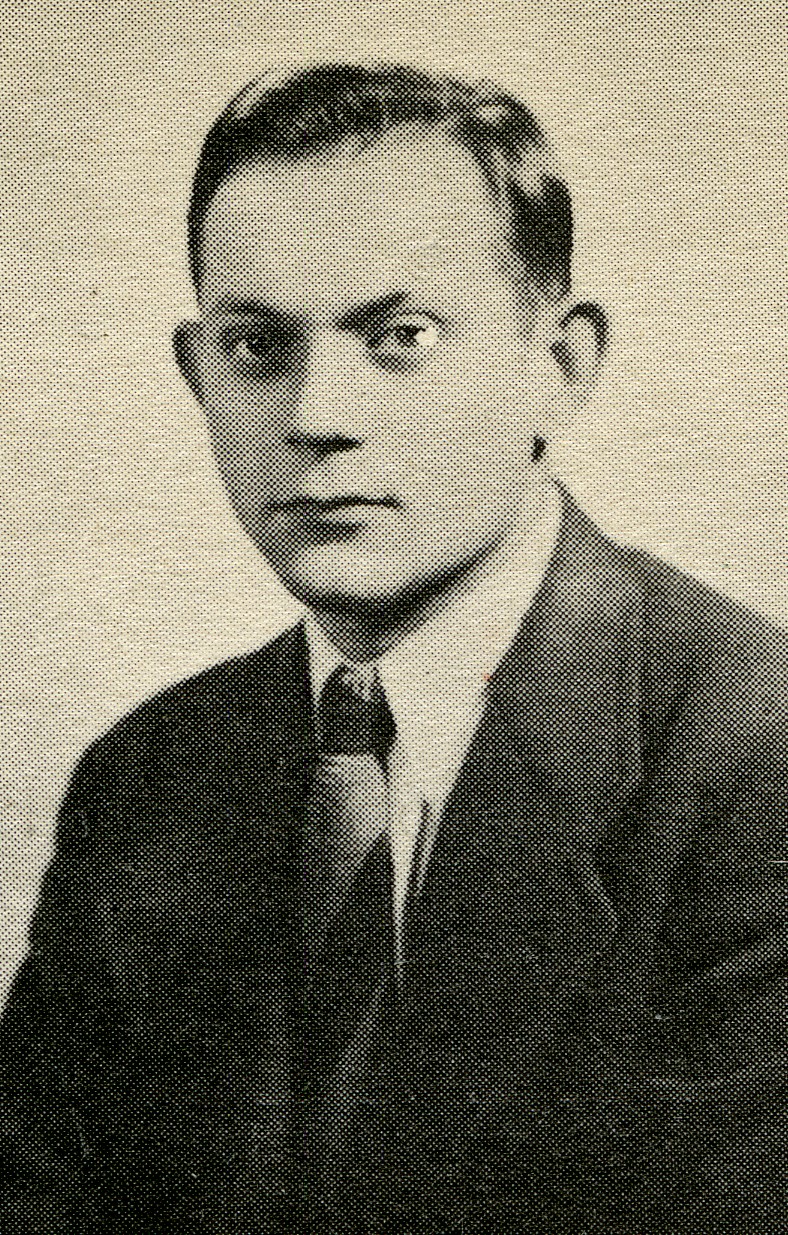
Through decades of film programming, writing, and teaching, Amos Vogel worked across numerous aspects of film culture in the United States. His influence on film exhibition in New York City is perhaps most widely recognized, and his opposition to censorship and his support for the avant-garde were among the key components of his philosophy on film.
Vogel was born in Vienna, Austria, on April 18, 1921. His family fled Austria during the Anschluss in 1938, settling in New York City in 1939. Vogel and his wife Marcia founded the film society Cinema 16 in 1947 in New York, and he received a bachelor's degree from the New School for Social Research in 1949.
A membership-based film society, Cinema 16 showed experimental films alongside other categories like educational and medical films. The screenings introduced New York audiences to influential filmmakers including Stan Brakhage, Maya Deren, and Kenneth Anger. Vogel also distributed independent films to other exhibitors through Cinema 16. Financial problems led Vogel to close Cinema 16 in 1963.
After Cinema 16's closing, Vogel co-founded the New York Film Festival with Richard Roud. Produced by Lincoln Center, the first New York Film Festival was held in September 1963. After serving as the festival director and the director of Lincoln Center's film department, Vogel left Lincoln Center and the New York Film Festival in 1968. Vogel then worked as a film consultant at Grove Press, where he acquired film titles for distribution and programmed the Grove Press International Film Festival.
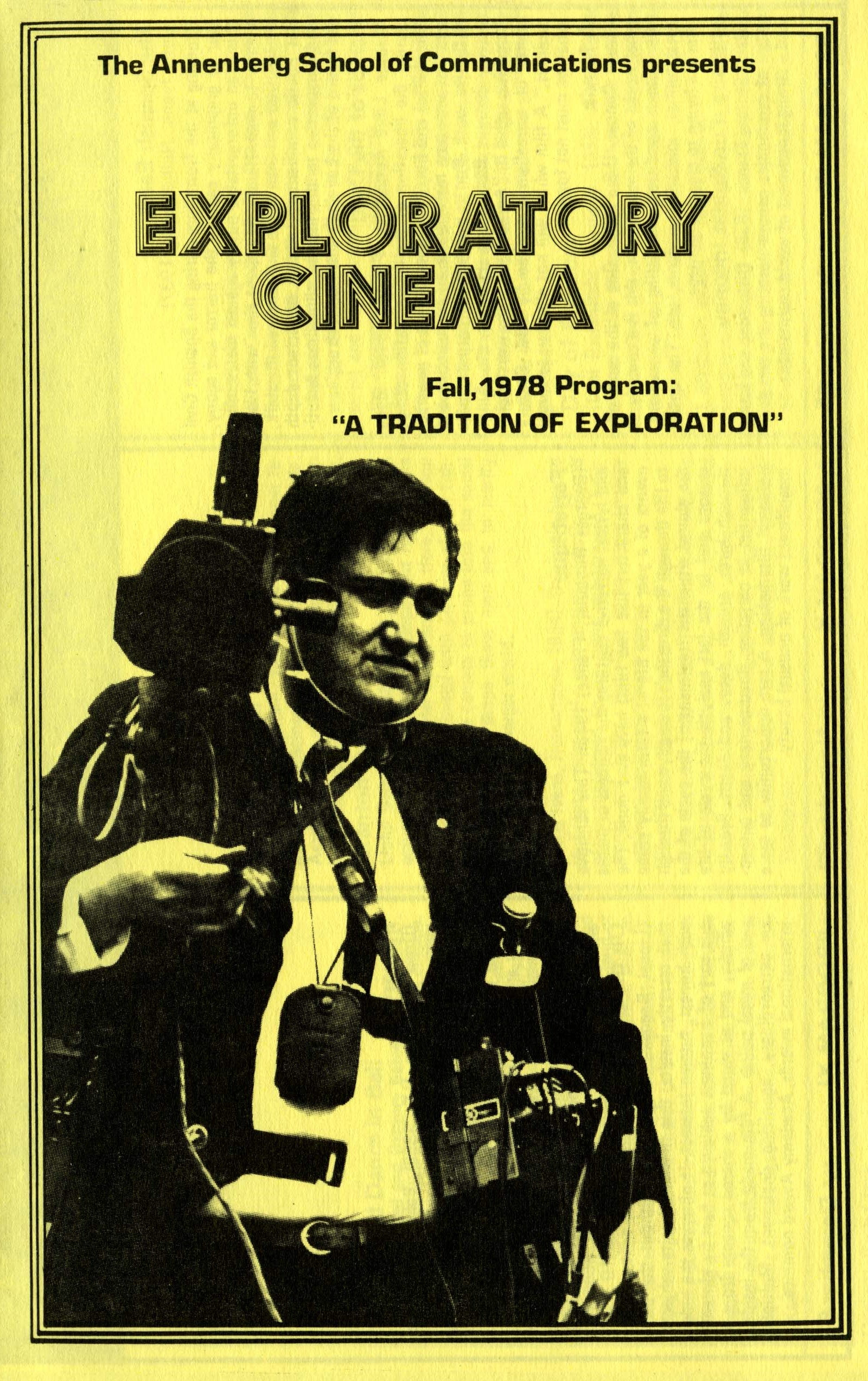
From the early 1970s to the early 1990s, Vogel was the director of film and a faculty member at the University of Pennsylvania's Annenberg School of Communications. He founded and programmed the Annenberg Cinematheque, and he taught courses including "Sources of the Modern Cinema." In addition to his years of teaching at Annenberg, Vogel taught as a visiting instructor, including New York University, Harvard University, and the New School.
Vogel's writing about film is also a notable component of his career. He is known for his 1974 book Film as a Subversive Art, a study of films that push against social, aesthetic, and political boundaries. His other writings include contributions to The Village Voice, Film Comment, and many other film publications.